Ship supplies Turkey: provisions, deck and engine stores, bonded stores
This page covers what ships order in Turkey: provisions, deck stores, engine stores, cabin and galley items, chemicals and bonded stores. SMETRD coordinates the order with approved suppliers and the port agent. Below are item groups, rules that matter and how to write a requisition that gets a precise quote.
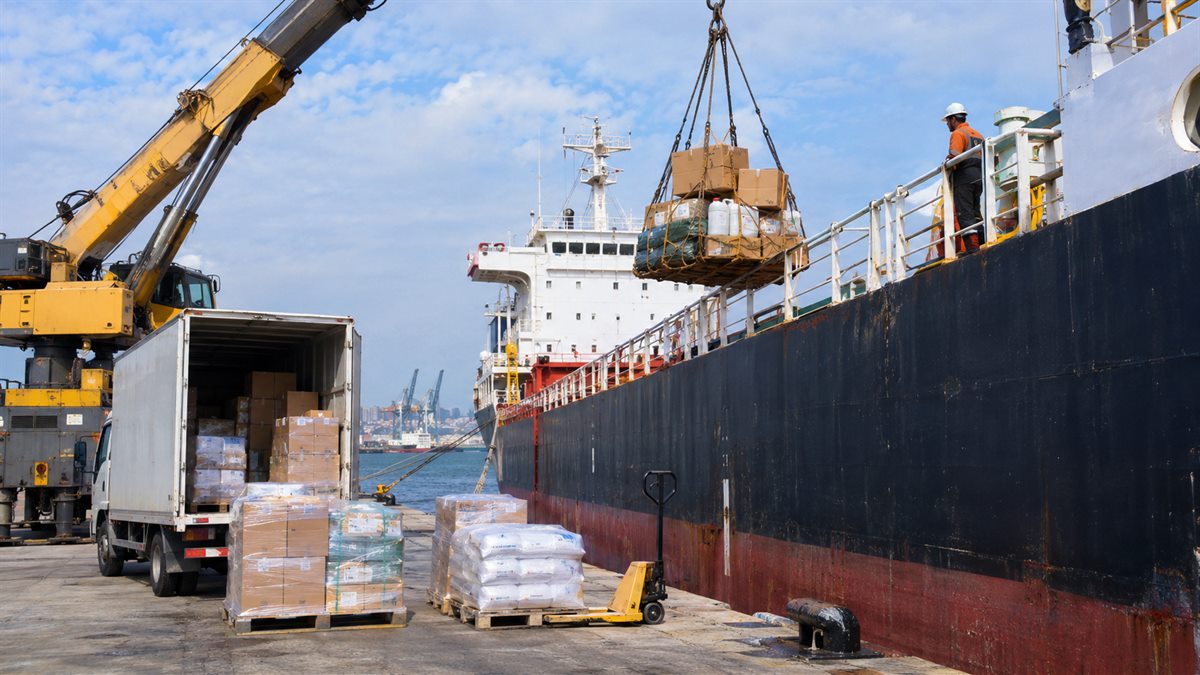
What ship supplies can be ordered in Turkey?
Ships can order provisions, deck stores, engine stores, cabin and galley supplies, cleaning chemicals, paints, lubricants, ropes, safety consumables and bonded stores. Heavy machinery parts and certified equipment go through the spare parts and equipment services. Stock levels vary by item, so availability is confirmed in the quote.
Ship provisions: fresh, frozen and dry food
Provisions include fresh vegetables, fruit, meat, fish, dairy, bakery, frozen goods, dry stores and beverages. Give crew numbers, dietary needs, menu cycle and delivery date. Quality and expiry should be checked on receipt, and rejected items noted on the delivery note for replacement or credit.
Halal and other dietary requirements should be stated in the requisition.
Deck stores: ropes, paints, tools and consumables
Deck stores cover mooring ropes, wires, paints and coatings, brushes, hand tools, welding consumables, cargo gear items and general maintenance material. Specify size, diameter, length, material and standard. Certificates may be required for ropes and lifting items, and these should be requested at the quotation stage.
Photos or old item tags help avoid wrong sizes.
Engine stores and lubricants
Engine stores include gaskets, filters, packing, tools, welding and cutting material, workshop consumables and lubricating oils. For lubricants state grade, maker and packing size. For parts that need maker specification, use the spare parts service so that part numbers and certificates are controlled.
Cabin, galley and housekeeping supplies
These cover linen, towels, toiletries, kitchen utensils, crockery, cleaning materials, laundry supplies, mattresses and similar items. State the number of cabins and crew, plus size and colour preferences. Bulk orders benefit from a standard list that the ship reuses on each call.
Hygiene products should be suitable for use on board; ask for product data when in doubt.
Cleaning chemicals and safety data sheets
Chemicals for deck, engine and galley cleaning, water treatment and tank cleaning are supplied with safety data sheets (SDS). The SDS must be on board and reviewed before use. Some chemicals have restrictions for air or sea transport or for delivery to the vessel, so the quote states any conditions.
Ask for MARPOL-compatibility information where discharge could occur.
Bonded stores: what are they and how are they supplied?
Bonded stores are items supplied to a ship under customs control, free of local duty, for use on board only, typically tobacco and spirits. They are delivered with customs supervision, sealed by the officers and recorded on the vessel's declaration. The agent confirms what is permitted at your port.
Quantities must follow the crew number and voyage and are checked at delivery.
Duty-free vs bonded: is there a difference?
The terms are used loosely. For ships, bonded stores are items delivered without duty under customs seal and for consumption on board. Duty-free is a general phrase also used in retail. When you order, use the term bonded stores and let the agent explain the local procedure and the documents needed.
Do not assume that every item can be bonded; the list is defined by customs rules.
Can I order drinking water, gas and welding gases?
Drinking water supply, cylinder gases such as oxygen and acetylene, refrigerant and calibration gas can be arranged where local rules permit. Exchange of cylinders requires matching standards and valve types, and compressed gas has transport conditions. State the cylinder type, size and standard in the request.
Sort out cylinder return and exchange terms in advance.
What is the typical order process?
Send the requisition, review the written quotation, approve it, then the supplier prepares and the agent books delivery. The master checks the goods against the list and signs the note. The invoice follows. The process is the same for one-off and recurring orders, and each step is recorded by e-mail.
Delivery options: quay, buoy, anchorage, truck or launch
Supplies can be delivered by truck to the quay or by launch to a buoy or anchorage. The agent arranges the gate pass and timing. Weather, port rules and boat availability affect anchorage deliveries, which need more notice than quay deliveries and may be rescheduled.
Say how goods will be lifted on board: ship's crane, provision crane or hand-passing.
How do I write a requisition that gets an accurate quote?
Use one line per item with name, specification, quantity, unit and priority. Add brand or equivalent, category, packing preference and expiry requirements. Include vessel, port, ETA and delivery position. A numbered list lets both sides refer to a line in questions and approvals.
- Item name and specification
- Quantity and unit
- Brand or equivalent allowed
- Packing and expiry needs
- Delivery position and date
Packing, labelling and storage on arrival
Goods can be packed per category and labelled with vessel name and item reference so the crew can store them quickly. Frozen and chilled items travel in controlled conditions. Agree the labelling format in advance, especially for orders with several departments such as deck, engine and galley.
Pallet sizes must suit the ship's lifting arrangement.
Quality, certificates and rejected goods
Inspect goods at delivery against the order, check dates and certificates, and record any issue on the delivery note. Rejected goods are replaced or credited according to the agreed terms. For items requiring certificates, request them with the quote so they reach the ship together with the goods.
Keep photographs of defective goods.
Which ports are covered for supplies?
Orders can be coordinated for Istanbul, the Marmara, the Aegean, the Mediterranean and the Black Sea. For ports far from Istanbul, supplies may travel by road, which affects lead time. The quote notes whether items come from local stock and how delivery is arranged.
Can supplies be combined with spares, equipment and freight?
Yes. A single request can include supplies, spare parts and equipment, and SMETRD can also arrange onward road, sea or air freight if goods have to reach another port. One coordination point keeps the documents together and reduces the risk of missed items.
How to request ship supplies in Turkey?
Email [email protected] with the vessel particulars, port, ETA and ETD, delivery position, and your numbered requisition. Indicate if bonded stores or chemicals are included. A written quotation follows, with item availability, assumptions, documents and the executing supplier for approval.
Frequently asked questions
What are ship supplies?
Goods consumed on board such as provisions, deck and engine stores, cabin and galley supplies, chemicals and bonded stores.
What are bonded stores?
Items delivered under customs control without local duty and for use on board only, such as tobacco and spirits. Customs seal and record them.
Do chemicals come with safety data sheets?
Yes, an SDS is provided and must be on board and reviewed before use.
Can I order fresh food at anchorage?
Yes, by launch, subject to weather and lead time. Order close to arrival for quality.
Can I get equivalents instead of named brands?
Yes, if you allow it. Equivalents are proposed in writing and used only after approval.
How do I request a quote?
Email the requisition with vessel and port details to [email protected].